Eco-Friendly Ink Manufacturer Shares Water-Based Flexo Ink Case Studie…
페이지 정보

본문
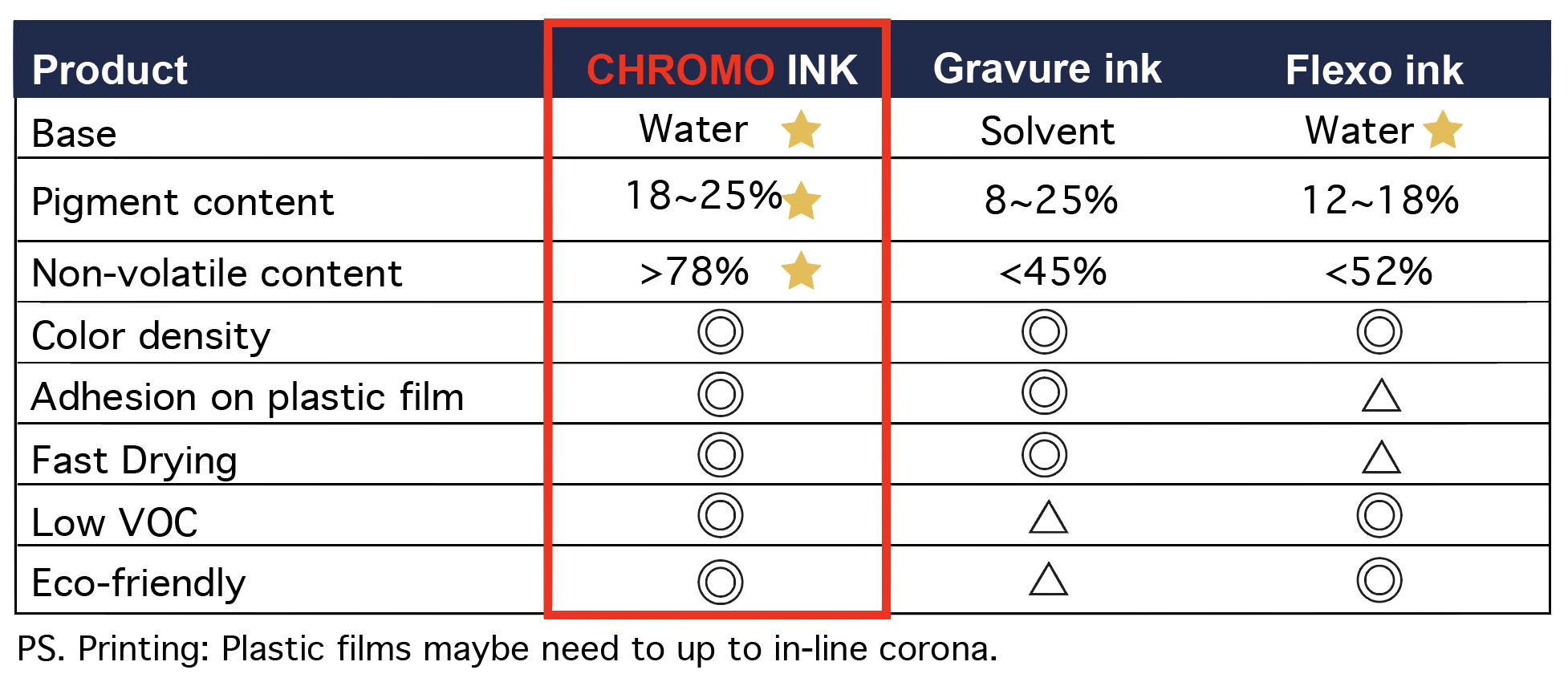
The proof of a sustainable ink isn't in its marketing claims, but on the pressroom floor, running at full speed. For converters and brands under mounting pressure to reduce environmental impact without sacrificing performance, water-based flexo inks have moved from a niche alternative to a mainstream necessity. Here, we move beyond theory to present real-world evidence, sharing compelling case studies that demonstrate how modern water-based solutions are solving tangible business and ecological challenges.
Case Study 1: The Food Packaging Pioneer
A leading producer of snack food bags faced a dual challenge: meeting stringent FDA compliance for indirect food contact and eliminating solvent emissions from their wide-web flexo presses. Their previous solvent-based system required extensive ventilation and raised concerns about residual odors. After partnering with our R&D team, we co-developed a tailored water-based ink series with exceptional adhesion to treated OPP films. The result was a 98% reduction in VOC emissions, a significant decrease in energy consumption due to the elimination of solvent recovery systems, and a press speed match with their previous solvent inks. The brand client now proudly features "Printed with Plant-Based Inks" on their packaging, enhancing their shelf appeal to eco-conscious consumers.
Case Study 2: The Corrugated Converter's Efficiency Leap
A high-volume corrugated box manufacturer was plagued by slow drying times on their post-print flexo lines, creating a bottleneck in production. They also sought to improve the recyclability of their finished boxes. Our solution was a high-performance, low-viscosity water-based Eco-friendly ink manufacturer engineered for rapid penetration and setting on porous substrates. The implementation led to a 20% increase in line speed due to faster drying, dramatically boosting daily output. Furthermore, the ink's alkaline chemistry and minimal residual ash content ensured the boxes met the highest standards for recyclability in the paper stream, providing a powerful selling point to end-users like major e-commerce and logistics companies.
Case Study 3: The Label Printer's Color Gamut Expansion
A premium pressure-sensitive label printer serving the craft beverage industry believed switching to water-based inks would mean compromising on vibrancy and color range. Their challenge was to achieve the same "pop" and metallic effects as their UV-curable inks for specialty beers and spirits. We introduced our advanced water-based pigment dispersions and a novel overprint varnish. The new inks delivered not only a comparable, brilliant gamut but also superior scratch and chemical resistance for bottle labels. The printer successfully eliminated the need for UV curing equipment and its associated ozone production, reducing their carbon footprint while winning new business from brands with strict sustainability mandates.
These cases underscore the core advantages driving the shift. Today's water-based flexo inks offer uncompromising print quality, including sharp graphics and vibrant colors. They provide a safer working environment by drastically reducing VOCs and eliminating hazardous air pollutants. They streamline production by simplifying wash-up with water, reducing downtime and chemical usage. Critically, they future-proof packaging by enhancing the recyclability and compostability of finished products, aligning with global circular economy goals.
The journey from solvent or UV to water-based is not a one-size-fits-all transition; it is a technical partnership. Success hinges on collaboration between the converter and an ink manufacturer with deep application expertise. These case studies are a testament to what is achievable when innovation is grounded in real-world pressroom demands. The question is no longer if you can switch, but how much your business stands to gain when you do.
- 이전글продвижение сайта 26.04.12
- 다음글раскрутка в сети 26.04.06
댓글목록
등록된 댓글이 없습니다.